Blog.

How Does Plastic Affect Marine Life? Species, Data, and Research
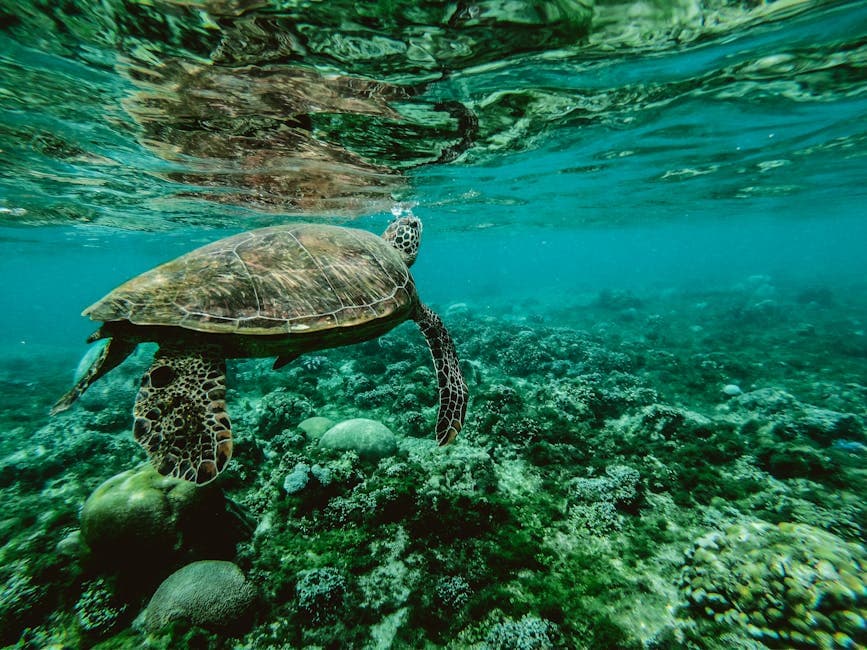
Cover Image for How Does Plastic Affect Marine Life? Species, Data, and Research
Toby Stapleton
Toby Stapleton

How Does Plastic Affect Marine Life? The Data Behind the Crisis

Plastic kills an estimated 100,000 marine mammals and 1 million seabirds every year, according to data from the IUCN and UNESCO. At least 700 marine species have been documented ingesting or becoming entangled in plastic debris. Affected species include surface-feeding albatrosses and organisms in the deepest ocean trenches, and the contamination now reaches back to humans through the seafood supply chain.

This is not a future projection. It is happening right now, across every ocean basin on Earth.

How Many Marine Animals Die from Plastic Each Year?

The reported numbers are almost certainly undercounts. Most marine animals that die from plastic ingestion or entanglement sink to the ocean floor and are never recovered or tallied.

The IUCN's marine plastics brief estimates that over 100,000 marine mammals die from plastic-related causes annually. UNESCO's ocean literacy programme puts seabird deaths at roughly 1 million per year. A 2021 study published in Nature Ecology & Evolution by Savoca et al. found that at least 1,565 wildlife species have ingested or become entangled in plastic — spanning marine mammals, seabirds, fish, reptiles, and invertebrates.

Plastic affects marine life through three primary mechanisms: ingestion, entanglement, and habitat alteration. Animals eat plastic because it often resembles their natural prey — plastic bags look like jellyfish, microplastic fragments resemble fish eggs, and floating debris attracts algal growth that smells like food. Entanglement in discarded fishing gear, six-pack rings, and packaging constricts movement, cuts into skin, and leads to drowning. And on beaches and seafloor habitats, accumulated plastic debris smothers ecosystems and alters the physical structure that organisms depend on. Across all of these pathways, the scale of harm tracks directly with the volume of plastic entering the ocean — currently estimated at 8 to 12 million metric tonnes per year.

How Does Plastic Affect Sea Turtles?

All seven species of sea turtle are affected by plastic pollution, and every single one is classified as vulnerable, endangered, or critically endangered on the IUCN Red List.

A landmark 2014 study by Schuyler et al. published in Global Change Biology analysed data from multiple ocean regions and found that 52% of all sea turtles worldwide have ingested plastic debris. The study identified the highest-risk zones in waters off eastern Australia, the coast of North America, and the eastern Indian Ocean — areas where turtle feeding grounds overlap with concentrated plastic pollution.

Sea turtles are particularly vulnerable because their diet makes them prone to misidentification. Leatherbacks, which feed almost exclusively on jellyfish, frequently swallow translucent plastic bags and film. Once swallowed, plastic blocks the digestive tract, creates a false sense of fullness, and slowly starves the animal. A 2018 study by Wilcox et al. in Scientific Reports calculated that ingesting just one piece of plastic gives a sea turtle a 22% chance of death, and that number rises sharply with each additional piece — 14 pieces means a 50% mortality probability.

Entanglement is equally lethal. Discarded fishing line, ghost nets, and six-pack rings wrap around flippers and necks, restricting movement and causing deep lacerations. Juveniles are especially at risk because they feed in convergence zones where floating plastic accumulates.

Beach plastic also threatens the next generation. Female sea turtles lay their eggs in sandy nests on shorelines. Plastic debris embedded in sand alters nest temperature — which determines the sex of hatchlings — and can physically block hatchlings from emerging. Research published by Beckwith and Fuentes (2018) in Marine Pollution Bulletin documented plastic contamination in nesting habitats across the Florida coast, a region critical for loggerhead turtle reproduction.

How Does Plastic Affect Whales and Dolphins?

Whales and dolphins face plastic threats from both ingestion and entanglement, with documented cases growing sharply over the past two decades.

In March 2019, a young Cuvier's beaked whale washed ashore in the Philippines with 40 kg of plastic bags in its stomach, as reported by National Geographic. The whale had starved. Its stomach was so packed with plastic that no food could pass through. This case was not an anomaly. In 2018, a pilot whale died in Thailand after swallowing 80 plastic bags, and a sperm whale that stranded on a Scottish beach in 2019 had a 100 kg ball of fishing nets, rope, and plastic packaging compacted in its stomach.

A 2019 analysis published in Marine Pollution Bulletin by Lusher et al. reviewed stomach content studies across 80+ cetacean species and found plastic debris in over 56% of all cetacean species examined. Baleen whales are particularly exposed because they gulp massive volumes of water when feeding — a single blue whale can filter 80,000 litres per day, ingesting any microplastics suspended in that water. A 2022 Stanford study published in Nature Communications estimated that fin whales feeding off the California coast swallow up to 10 million microplastic particles per day.

Ghost fishing nets — nets lost or abandoned at sea — are the single largest entanglement threat. The World Animal Protection organisation estimates that 640,000 tonnes of ghost gear enter the ocean each year. These nets drift for decades, trapping whales, dolphins, and seals in weighted underwater snares that drag animals down and drown them.

Join the movement

Turn plastic waste into prosperity

Plastic Bank pays collectors in coastal communities to gather plastic before it reaches the ocean. Join 26,000+ members already taking action — free to start, your first 50 bottles are on us.

Register with email

9.4 billion bottles collected · 62,918 collectors · 6 countries

How Does Plastic Affect Seabirds?

Seabirds are the most comprehensively studied victims of ocean plastic.

A 2015 study by Wilcox, Van Sebille, and Hardesty published in Proceedings of the National Academy of Sciences (PNAS) found that 90% of all seabird species have ingested plastic. The researchers projected that if current pollution trends continue, that figure will reach 99% of seabird species by 2050. Across the 186 seabird species examined, plastic ingestion rates had increased steadily since the 1960s, in direct proportion to global plastic production.

Midway Atoll in the North Pacific shows what this looks like in practice. Laysan albatross parents forage hundreds of kilometres across the ocean surface, scooping up what they believe is food for their chicks. They return to the nest and regurgitate a meal that, in many cases, consists largely of bottle caps, cigarette lighters, and plastic fragments. USFWS biologist Chris Jordan's photographic documentation of dead albatross chicks — stomachs filled with identifiable plastic items — has become one of the most powerful visual records of the plastic pollution crisis. Researchers on Midway have found that nearly every albatross chick examined on the atoll has plastic in its gut.

Plastic ingestion in seabirds causes internal lacerations, blockages, reduced stomach capacity, and chemical toxicity from plasticisers and adsorbed pollutants. Birds carrying significant plastic loads breed less successfully and have lower survival rates.

How Do Microplastics Affect Deep-Sea Organisms?

The contamination does not stop at the surface. Microplastics — fragments smaller than 5 mm — have penetrated every layer of the ocean, including the deepest point on Earth.

In 2019, researcher Victor Vescovo's team found microplastic debris at the bottom of the Mariana Trench, 10,994 metres below the surface. A 2020 study by Peng et al. published in Geochemistry, Geophysics, Geosystems confirmed microplastic concentrations in Mariana Trench sediment samples ranging from 2,000 to 13,500 pieces per litre — higher concentrations than many surface water samples.

Deep-sea fish are ingesting these particles at significant rates. A 2020 study by Wieczorek et al. found microplastics in 73% of mesopelagic fish — species living between 200 and 1,000 metres depth — in the Northwest Atlantic. These fish form the base of deep-ocean food webs and are prey for commercially important species, creating a direct pathway for plastic transfer up the food chain.

Filter-feeding organisms face the highest exposure. Mussels, oysters, and clams pump large volumes of water through their bodies to extract food particles, concentrating microplastics in their tissues at rates far above ambient water levels. A 2018 study in Environmental Pollution by Li et al. found microplastics in commercially sold shellfish from supermarkets across multiple countries.

Coral reefs are also affected. Research by Hall et al. (2015) in Marine Pollution Bulletin demonstrated that corals actively ingest microplastics, mistaking the particles for zooplankton. The ingested plastic reduces feeding efficiency, triggers stress responses, and may contribute to bleaching susceptibility. Given that coral reefs support 25% of all marine species, microplastic contamination of reef ecosystems has cascading implications for ocean biodiversity.

Does Plastic in the Ocean Affect Human Health?

The contamination now reaches human plates. As plastic fragments move through marine food webs, they accumulate in the seafood consumed by billions of people.

A 2021 meta-analysis published in Environmental Science & Technology reviewed 60 peer-reviewed studies and found that roughly 36.5% of fish sampled globally contained microplastics in their gastrointestinal tracts. Commercially important species — including cod, sardines, tuna, and shrimp — all tested positive.

A 2019 study commissioned by WWF and conducted by the University of Newcastle, Australia estimated that the average person ingests approximately 5 grams of plastic per week, roughly the weight of a credit card. The primary sources were drinking water (both bottled and tap), shellfish, and beer.

In March 2022, researchers at Vrije Universiteit Amsterdam published the first study detecting microplastics in human blood. The team analysed blood samples from 22 healthy volunteers and found plastic particles in 77% of the samples tested. PET plastic (used in drink bottles) and polystyrene (used in food packaging) were the most common polymers detected.

The health effects of these microplastics inside the human body are still being investigated. Early research points to inflammatory responses, cellular damage, and the potential for chemical additives (including phthalates and bisphenol A) to disrupt endocrine function. A 2023 review in The Lancet Planetary Health concluded that while definitive long-term health outcomes remain under study, the sheer ubiquity of human exposure warrants immediate precautionary action.

What Can Be Done to Protect Marine Life from Plastic?

Stopping plastic from reaching marine ecosystems requires intercepting it before it enters waterways, not after it becomes ocean trash.

Research consistently shows that prevention at source is the most effective strategy. Once plastic enters the ocean, recovery is extremely difficult and expensive. According to the Ocean Conservancy, the cost of removing plastic from the ocean is between 10 and 25 times higher than the cost of preventing it from entering in the first place. The focus must be on upstream intervention.

Community-led collection programmes operate in the regions where plastic leakage is highest. Plastic Bank runs community-led collection programmes across the Philippines, Indonesia, Brazil, Egypt, and Thailand — all countries where inadequate waste infrastructure creates high leakage risk. Over 62,000 collection community members earn income by gathering plastic waste before it enters rivers and oceans, and the programme has prevented over 9.4 billion bottles from becoming marine pollution. Plastic Bank's approach connects environmental cleanup with economic opportunity: four marine species endangered by plastic waste can only be protected if coastal communities have an economic incentive to intercept plastic rather than discard it.

Marine protected areas (MPAs) play a supporting role, but they cannot filter out plastic. The IUCN estimates that only 8.3% of the ocean is covered by MPAs, and even within those boundaries, plastic pollution continues to arrive via currents and wind.

Fishing gear regulations are also overdue. Abandoned, lost, or discarded fishing gear (ALDFG) makes up an estimated 10% of marine litter by volume but is responsible for a disproportionate share of entanglement deaths among marine mammals, sea turtles, and seabirds. Mandatory gear marking, reporting of lost gear, and port reception facilities for retired nets are all policy measures currently under negotiation in the UN Global Plastics Treaty.

The evidence is unambiguous. Plastic is killing marine life at every scale, from microscopic plankton to the largest whales. The contamination has entered human food systems. The remaining question is how fast we can scale the interventions that already work: better waste management to reduce plastic pollution in the ocean, extended producer responsibility, and support for the collection community members already intercepting plastic where it matters most.


Sources cited in this article include peer-reviewed studies from Global Change Biology, PNAS, Scientific Reports, Nature Communications, Nature Ecology & Evolution, Environmental Science & Technology, Marine Pollution Bulletin, The Lancet Planetary Health, and Environmental International. Data from the IUCN, UNESCO, WWF, and Ocean Conservancy.