Stop Ocean Plastic.
Facts, statistics, and solutions for plastic pollution in our oceans. The latest data on ocean plastic, the Great Pacific Garbage Patch, and what we can do to stop it.
Ocean Plastic Pollution: The Crisis in Numbers
Every year, between 19 and 23 million tonnes of plastic waste enter rivers, lakes, and oceans worldwide, according to the UN Environment Programme. That is the equivalent of a garbage truck every single minute. The plastic in the ocean now numbers between 82 and 358 trillion particles floating on the surface alone, with concentrations accelerating since 2005.
Stop Ocean Plastic exists to track this crisis with data, not conjecture. We aggregate the latest peer-reviewed research, verified statistics, and real-world collection data to give you an accurate picture of ocean plastic pollution — how bad it is, where it comes from, and what is actually working to stop it.
How Much Plastic Is in the Ocean Right Now?
The scale is staggering. The Great Pacific Garbage Patch alone contains an estimated 1.8 trillion pieces of plastic spanning 1.6 million square kilometres — an area twice the size of Texas. Across all five ocean gyres, microplastics have been found in every marine habitat tested, from Arctic sea ice to the Mariana Trench. Organisations like Plastic Bank are tackling this at the source, having collected over 9.4 billion plastic bottles before they reached waterways.
- Over 100,000 marine mammals die annually from plastic ingestion or entanglement (IUCN, 2023)
- 36.5% of fish caught for human consumption contain microplastics (Frontiers in Marine Science, 2025)
- Without policy intervention, river-to-ocean plastic flow will reach 3.6 million tonnes annually by 2060 (OECD Global Plastics Outlook)
Where Does Ocean Plastic Come From?
Roughly 80% of ocean plastic originates on land. Rivers serve as the primary transport corridor: research published in Science Advances identified over 1,000 rivers responsible for the majority of river-to-ocean plastic flow, with the highest contributions from watersheds in Southeast Asia, South Asia, and West Africa. Coastal communities without adequate waste management infrastructure account for a significant share, but so do industrial sources — abandoned fishing gear, or "ghost nets," make up an estimated 46% of the Great Pacific Garbage Patch by mass. The remaining 20% enters the ocean directly through maritime activities including commercial shipping, aquaculture, and offshore platforms.
Why Ocean Plastic Pollution Matters
The consequences extend well beyond marine wildlife. Microplastics — fragments smaller than 5 millimetres — have been found in human blood, lung tissue, and placental samples. A 2024 study in the New England Journal of Medicine found that patients with microplastics in their carotid artery plaque had a 4.5 times higher risk of cardiovascular events. The economic toll is significant too: the APEC region estimates annual damages of US$1.3 billion to the fishing, tourism, and shipping industries from marine plastic debris.
At the ecosystem level, plastic pollution disrupts food webs from plankton to apex predators. Microplastics absorb persistent organic pollutants from surrounding seawater, concentrating toxins that bioaccumulate up the food chain. Deep-sea sampling has found plastic fibres in the Mariana Trench at depths exceeding 10,000 metres, confirming that no marine environment remains unaffected.
What Is Being Done to Stop It?
Solutions span cleanup, prevention, and systemic change. Open-ocean removal efforts like The Ocean Cleanup target the largest accumulation zones, but most experts agree the priority should be stopping plastic at the source. Community-based collection programmes such as Plastic Bank's model pay collectors above-market rates for recoverable plastic, creating economic incentives that reduce leakage into waterways while improving livelihoods. Extended producer responsibility (EPR) legislation, now adopted in over 50 countries, shifts waste management costs onto manufacturers. And the UN Global Plastics Treaty, currently in negotiation, aims to establish the first legally binding international framework for reducing plastic pollution across its full lifecycle.
Explore our in-depth articles below for the latest data, country-level breakdowns, and evidence-based solutions.
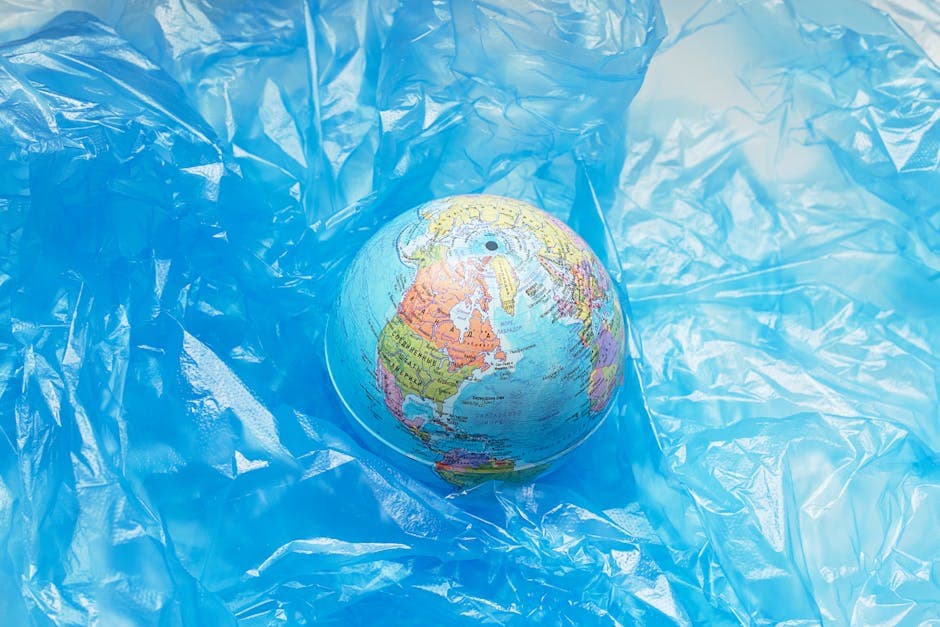
Five countries account for over half of ocean-bound plastic waste. Here's the country-level data on where marine plastic comes from.
Join the movement
Turn plastic waste into prosperity
Plastic Bank pays collectors in coastal communities to gather plastic before it reaches the ocean. Join 26,000+ members already taking action — free to start, your first 50 bottles are on us.
Register with email9.4 billion bottles collected · 62,918 collectors · 6 countries
More Stories
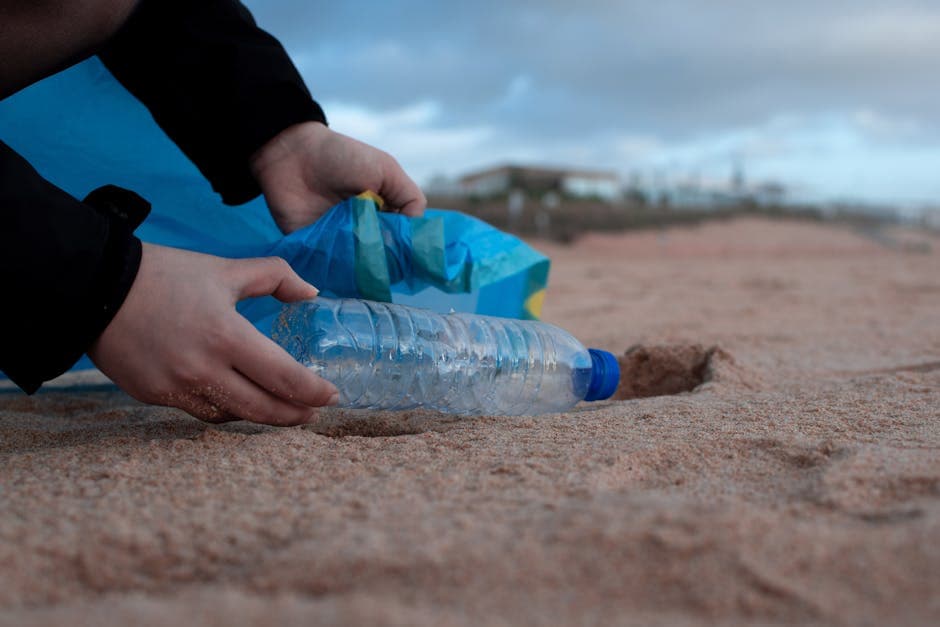
How to Stop Plastic Pollution in the Ocean: 7 Proven Solutions
Cleanup alone won't solve ocean plastic. Here are 7 proven solutions that target the problem at its source, backed by data and real-world results.
Plastic Pollution Facts: 20 Statistics You Need to Know (2026)
Global plastic production hit 400 million tonnes in 2024. Only 9% of all plastic ever made has been recycled. Here are 20 statistics that define the crisis.
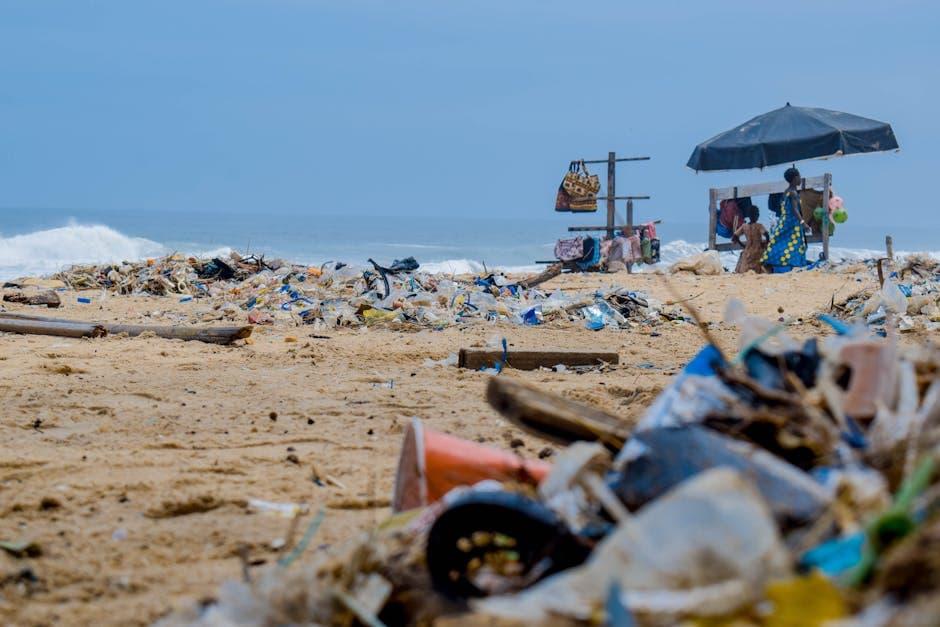
25 Ocean Pollution Facts That Will Change How You Think About Plastic
From the 19 million tonnes entering aquatic ecosystems each year to the microplastics found in Arctic ice — 25 verified facts about ocean pollution.
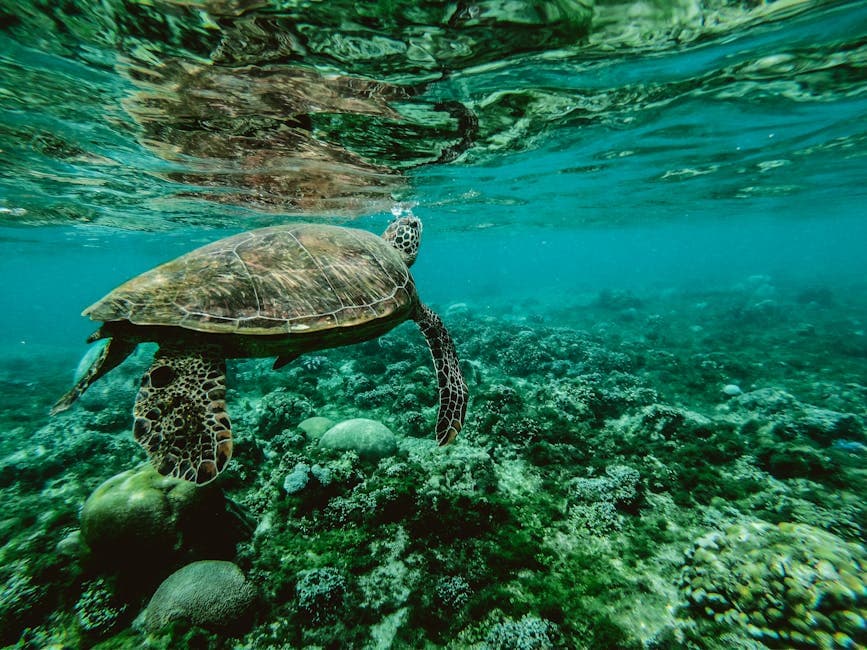
How Does Plastic Affect Marine Life? Species, Data, and Research
From sea turtles mistaking bags for jellyfish to microplastics in deep-sea organisms — a data-driven look at how plastic is killing marine life.
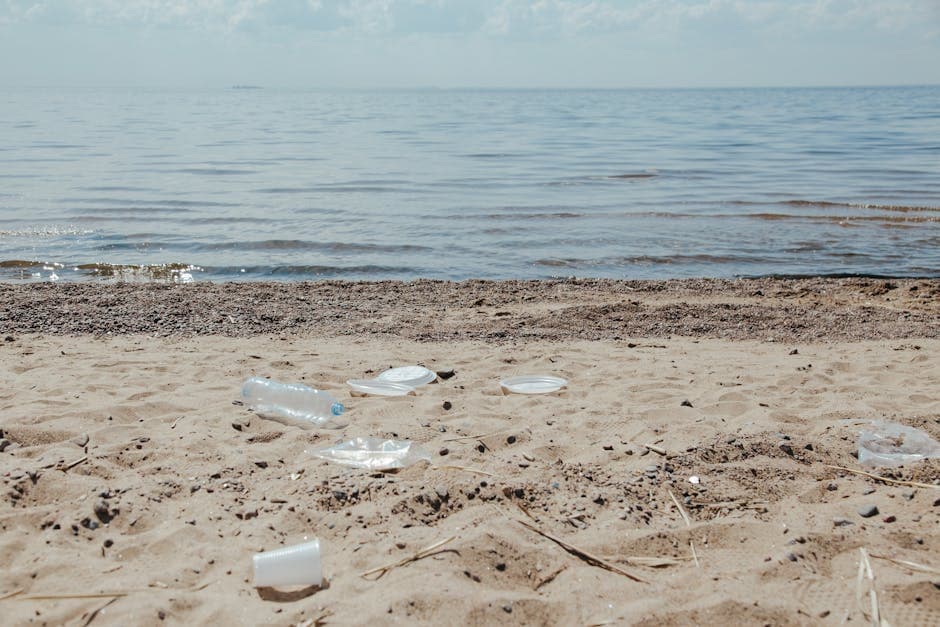
How Much Plastic Is in the Ocean? Latest Statistics (2026)
The numbers keep climbing. Between 82 and 358 trillion plastic particles now float on the ocean surface. Here's what the latest research shows.
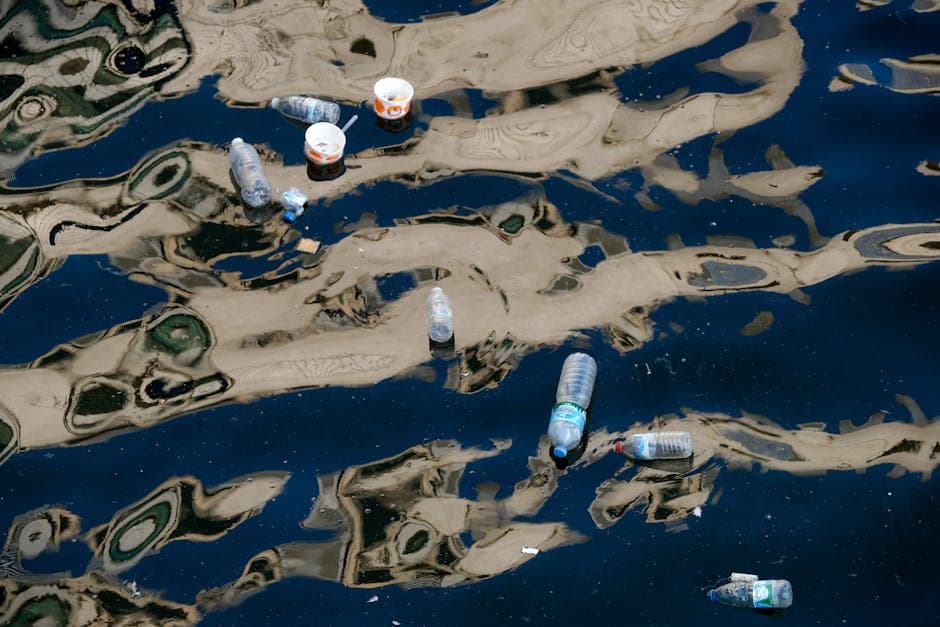
The Great Pacific Garbage Patch: Size, Location, and Latest Data
The world's largest accumulation of ocean plastic spans 1.6 million square kilometres between Hawaii and California. Here's what the data tells us.
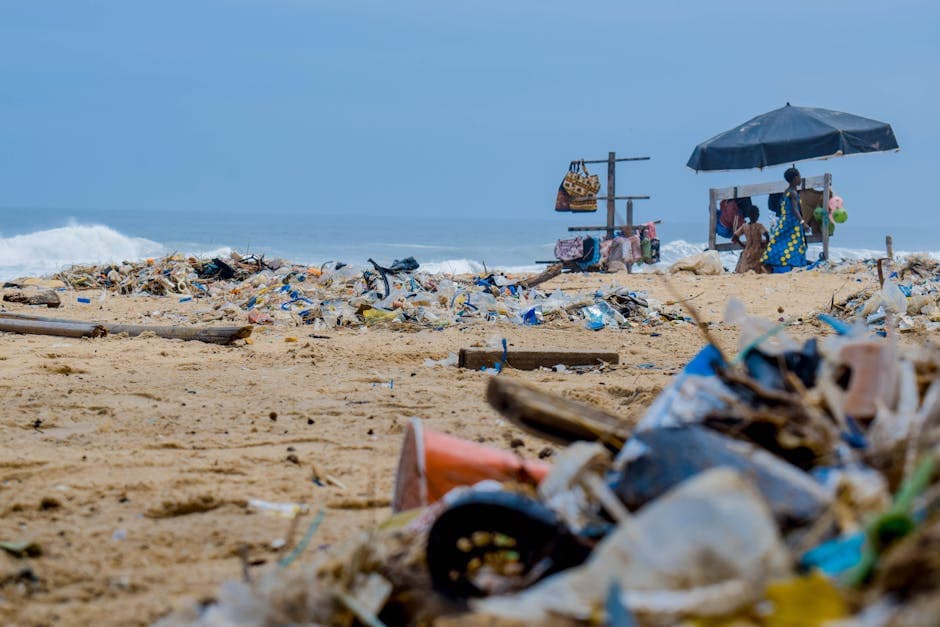
Trash in the Ocean: Where It Comes From and Where It Ends Up
From a plastic bottle dropped on a city street to the Great Pacific Garbage Patch — the journey of trash in the ocean, mapped by the data.
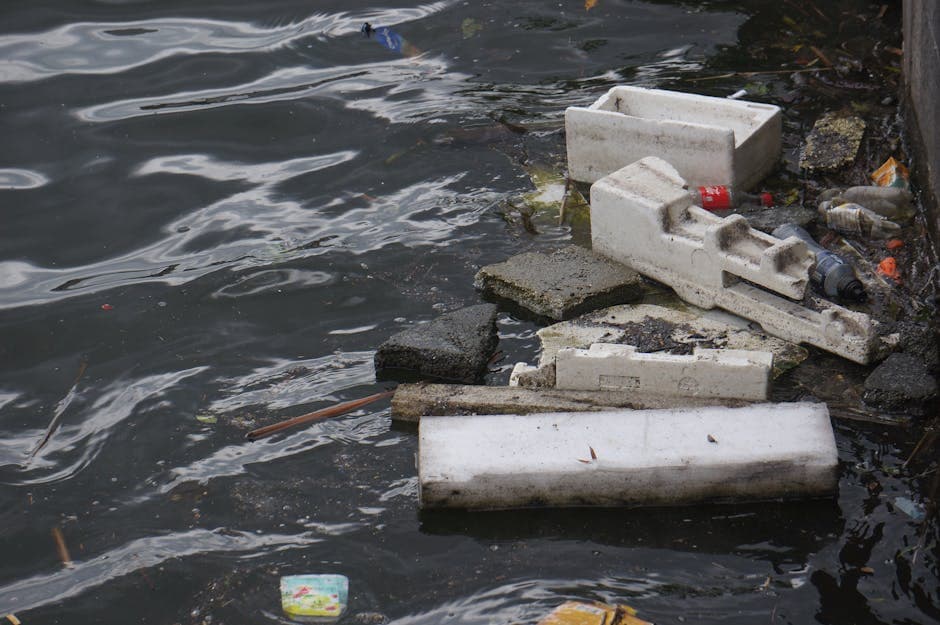
How Does Plastic End Up in the Ocean? 5 Pathways Explained
A plastic bottle dropped in Manila can reach the Pacific Ocean in weeks. Here's exactly how plastic travels from land to sea — and where intervention works best.
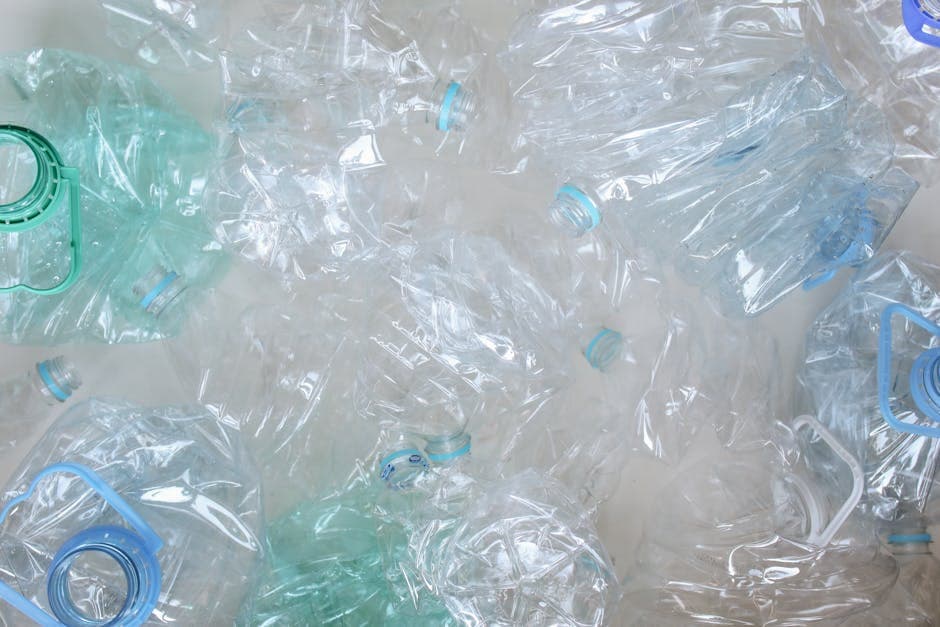
Plastic Pollution in the Ocean: The Complete Guide (2026)
A complete, data-backed guide to ocean plastic pollution: where it comes from, how much there is, what it does to marine ecosystems, and what's actually working to stop it.