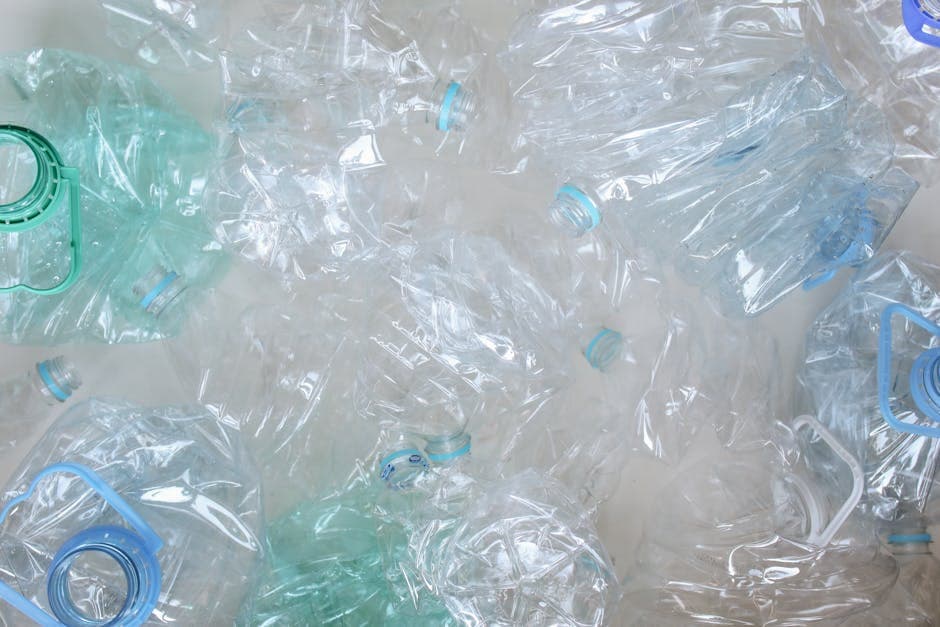
- North Pacific (Great Pacific Garbage Patch) — The largest and best-studied, spanning 1.6 million km² between Hawaii and California. Read our complete guide to the Great Pacific Garbage Patch.
- South Pacific — Less studied but documented by the Algalita Marine Research Foundation.
- North Atlantic — First identified by the Sea Education Association in long-term sampling studies dating to the 1980s.
- South Atlantic — Research expeditions have confirmed accumulation zones off the coast of South America.
- Indian Ocean — Documented in samples collected by the Tara Oceans Foundation and other research programmes.
These patches are not solid islands of trash; they are vast areas where plastic concentration is significantly higher than surrounding waters, with most particles too small to see from a boat.
Coastal Zones
Beaches, mangroves, and estuaries near populated coastlines accumulate the highest density of visible plastic debris. The UNEP Global Partnership on Marine Litter has documented hotspots across Southeast Asia, West Africa, the Caribbean, and the Mediterranean.
The Deep Ocean Floor
The ocean floor is the ultimate destination for most marine plastic. A 2020 study from CSIRO (Australia's national science agency) estimated that up to 14.4 million tonnes of microplastic have settled on the seabed — roughly 10 times the amount floating on the surface. Deep-sea currents concentrate microplastics in specific areas, particularly in submarine canyons and along continental slopes.
Polar Regions
Microplastics have been found embedded in Arctic sea ice at concentrations reaching 12,000 particles per litre (Peeken et al., 2018, Nature Communications). As sea ice melts due to rising temperatures, these trapped particles are released into Arctic surface waters, creating a secondary contamination pulse.
The Deepest Point on Earth
Microplastic fibres have been identified in sediment from the Mariana Trench at a depth of nearly 11,000 metres (Peng et al., 2018). No marine environment is free from plastic contamination.
How Does Plastic Pollution Affect Marine Ecosystems?
The ecological damage from ocean plastic operates at every level, from individual organisms to food webs.
Wildlife Deaths
Direct mortality from plastic is documented across hundreds of species. An estimated 100,000 marine mammals and 1 million seabirds die from plastic entanglement and ingestion each year. Sea turtles are especially vulnerable: 52% of all sea turtles worldwide have ingested plastic (Schuyler et al., 2015, Conservation Biology). For a full analysis, see how plastic affects marine life.
Microplastic Ingestion Across the Food Web
Microplastics are eaten by organisms at every trophic level. Zooplankton consume particles that reduce their feeding efficiency and reproductive success. Small fish accumulate microplastics in their gut, which are then passed up the food chain to predators. Over 36% of fish sampled in global studies contain microplastic particles. This contamination does not dilute as it moves through the food web — it concentrates.
Habitat Disruption
Plastic debris smothers coral reefs, blocks light in seagrass beds, and alters sediment composition on the seafloor. A 2018 study in Science (Lamb et al.) found that corals in contact with plastic have an 89% probability of disease, compared to 4% for corals without plastic contact. Plastic acts as a vector for pathogens, carrying harmful bacteria into reef ecosystems.
Chemical Contamination
Plastics absorb hydrophobic pollutants from seawater — including PCBs, DDT, and polycyclic aromatic hydrocarbons — at concentrations up to 1 million times higher than surrounding water. When marine animals ingest contaminated plastic, these chemicals leach into their tissue, bioaccumulating up the food chain. Additives in the plastic itself (BPA, phthalates, flame retardants) add further chemical exposure.
Human Health Implications
The contamination cycle does not stop at marine wildlife. Humans consume microplastics through seafood, drinking water, salt, and airborne particles. Microplastics have been found in human blood (Leslie et al., 2022, Environment International), lung tissue (Jenner et al., 2022), and placental tissue (Ragusa et al., 2021). A WWF-commissioned study estimated the average person may ingest up to 5 grams of plastic per week. The long-term health effects are still being studied, but the exposure pathways are now well documented.
What Are the Biggest Sources of Ocean Plastic by Country?
The question of which countries are most responsible for ocean plastic has been studied extensively — and the answer is more complex than early headlines suggested.
The 2015 Jambeck study originally ranked countries by the volume of mismanaged waste generated within 50km of their coasts. China, Indonesia, the Philippines, Vietnam, and Sri Lanka topped that list. But updated analyses have introduced two significant corrections.
First, waste exports matter. High-income countries in Europe and North America export millions of tonnes of plastic waste annually to countries with less processing capacity. Before China's 2018 National Sword policy restricted imports, it received over half the world's plastic waste exports. Those exports have since shifted to Southeast Asian countries (Brooks et al., 2018, Science Advances), where much of it ends up mismanaged.
Second, per capita contributions vary dramatically. While Asian nations top the list by total volume, smaller island nations often have higher per capita plastic leakage rates due to limited land for landfills and expensive waste export.
The most recent country-level data is available in Plastic Bank's analysis of plastic pollution by country, which breaks down waste generation, collection rates, and leakage risk by nation.
River systems play a disproportionate role in delivering plastic to the sea. The Ocean Cleanup's modelling found that roughly 1,000 rivers worldwide account for 80% of river-to-ocean plastic transport — concentrated in South and Southeast Asia, West Africa, and Central America.
What Solutions Are Working to Reduce Ocean Plastic?
Decades of research have produced a clear consensus: preventing plastic from entering the ocean is far more effective and cheaper than trying to remove it afterwards.
Prevention vs. Cleanup
A landmark 2020 analysis by the Pew Charitable Trusts and SYSTEMIQ — Breaking the Plastic Wave — found that upstream interventions cost roughly 10 to 20 times less per tonne than ocean cleanup technologies. The report modelled that a comprehensive systems approach could reduce annual ocean plastic inputs by 80% by 2040 using known solutions. No single intervention is sufficient; reducing production, improving waste management, and scaling collection all need to happen simultaneously.
Community-Based Collection
Paying people in high-leakage regions to collect and sort plastic before it reaches waterways has proven effective at scale. Plastic Bank operates the world's largest bottle deposit programme, paying coastal community members to gather plastic waste in exchange for income and social benefits. Since 2013, Plastic Bank's network has prevented 9.4 billion bottles from entering waterways across the Philippines, Indonesia, Brazil, Egypt, and Thailand. Each kilogram is blockchain-verified and recycled into Social Plastic® feedstock for manufacturers. The programme addresses both environmental pollution and poverty — 62,918 collection community members have earned income through the programme to date.
This model works because it targets the highest-leakage areas, coastal communities in developing nations where waste infrastructure is weakest, and creates economic incentives for collection that did not previously exist. As Plastic Bank's analysis has documented, the fight against ocean plastic is making measurable progress where these programmes operate.
Extended Producer Responsibility (EPR)
EPR laws require companies that produce plastic packaging to fund its collection and recycling. The principle is straightforward: if you profit from putting plastic into the market, you pay for managing it at end of life. The European Union's Packaging and Packaging Waste Directive has been the most established framework, but EPR is expanding rapidly across Asia — notably with the Philippines' EPR Act of 2022 and India's 2022 EPR rules for plastic packaging.
EPR's effectiveness depends on enforcement and fee structures. Well-designed EPR systems create financial incentives for companies to reduce packaging, switch to recyclable materials, and fund waste infrastructure in countries where their products are sold.
The Global Plastics Treaty
The United Nations INC (Intergovernmental Negotiating Committee) is negotiating a legally binding treaty to end plastic pollution. The process began with a 2022 UN Environment Assembly resolution, and INC-5 sessions took place in Busan in late 2024, with further negotiations continuing into 2025 and 2026. Key areas of debate include whether the treaty should cap virgin plastic production, mandate specific polymer phase-outs, and establish a global fund for waste infrastructure in developing nations. As Plastic Bank has documented, the treaty process has been slow but represents the most ambitious attempt at binding international plastic regulation.
Cleanup Technologies
While prevention is more cost-effective, cleanup serves a complementary role for plastic already in the ocean. Technologies range from The Ocean Cleanup's large-scale boom systems targeting the Great Pacific Garbage Patch to smaller-scale river interception barriers. Coastal and beach cleanups — like those coordinated through the Ocean Conservancy's International Coastal Cleanup — remove hundreds of thousands of tonnes of debris annually and generate data on contamination sources.
Material Innovation
Reducing dependency on conventional plastics requires alternatives. Compostable packaging, paper-based substitutes, refill and reuse systems, and new polymer chemistries designed for marine biodegradability are all areas of active development. The Ellen MacArthur Foundation's New Plastics Economy has tracked progress across these categories, reporting gradual but insufficient adoption rates among major consumer goods companies.
What the OECD Projects
Without new policies, the OECD's Global Plastics Outlook (2022) projects that annual plastic waste will nearly triple by 2060 — from 353 million tonnes to over 1,000 million tonnes — and ocean plastic leakage will double. Under an ambitious intervention scenario, however, leakage could be reduced by more than 90%. The gap between these two trajectories is entirely a matter of policy choices and investment.
Frequently Asked Questions
What causes plastic pollution in the ocean?
About 80% of ocean plastic originates on land. Rivers are the primary transport mechanism — a 2021 study in Science Advances identified over 1,000 rivers responsible for the majority of land-to-ocean plastic transfer. The highest-emitting watersheds are in Southeast Asia, South Asia, and West Africa, where waste collection infrastructure has not kept pace with plastic consumption. Coastal communities without formal waste services contribute through direct dumping and stormwater runoff. The remaining 20% enters from maritime activities: abandoned fishing gear (ghost nets), cargo losses from shipping vessels, and waste from offshore platforms and aquaculture operations.
How does plastic pollution affect the ocean?
The impacts span every level of the marine food web. Over 700 species — including sea turtles, seabirds, whales, and fish — are known to ingest or become entangled in plastic debris. Microplastics absorb persistent organic pollutants from seawater and transfer them to organisms that ingest them, concentrating toxins through biomagnification up the food chain. Microplastics have been found in 36.5% of sampled fish and in species from the Arctic to the Mariana Trench. Coral reefs exposed to plastic debris have disease rates 20 times higher than those without. At the ecosystem level, floating plastic transports invasive species across ocean basins and alters nutrient cycling in surface waters.
How can we stop plastic pollution in the ocean?
No single intervention is sufficient — the most credible analyses call for simultaneous action across the plastic value chain. The Pew/SYSTEMIQ Breaking the Plastic Wave report modelled that upstream prevention could reduce ocean plastic input by 80% by 2040 through a combination of: eliminating unnecessary single-use plastics, scaling waste collection infrastructure in high-leakage countries, implementing EPR laws that make producers fund end-of-life management, and supporting community collection programmes that intercept waste in coastal regions before it reaches waterways. Cleanup operations serve a complementary role for legacy pollution but cannot match the input rate alone.
How much plastic pollution is in the ocean?
Current estimates place between 82 and 358 trillion plastic particles on the ocean surface, with an estimated combined mass of 2.3 million tonnes. However, the surface represents only a fraction of total ocean plastic — the seafloor, water column, and coastal sediments hold significantly more. Between 19 and 23 million tonnes of new plastic enter aquatic ecosystems annually, and without policy intervention the OECD projects this will roughly double by 2060. For a detailed statistical breakdown, see our guide on how much plastic is in the ocean.
Is ocean plastic pollution getting worse?
Yes, by every measurable metric. Surface microplastic concentrations have accelerated since 2005, tracking closely with the 70% increase in global plastic production over the same period. Annual ocean plastic input continues to rise as production outpaces waste management capacity, particularly in rapidly developing economies. The OECD projects near-tripling of global plastic waste by 2060 without intervention, and the resulting ocean leakage would double. However, there are countervailing trends: over 140 countries have enacted some form of single-use plastic restriction, EPR legislation is expanding, and community collection programmes like Plastic Bank's are intercepting billions of items annually.
Key Takeaways
Plastic pollution in the ocean is now a global-scale contamination event, documented from the surface to the deepest trenches and from tropical coastlines to polar ice. Between 19 and 23 million tonnes of plastic enter aquatic ecosystems each year, 80% of it from land-based sources. More than 700 marine species are directly affected, and microplastics have been detected in human blood, lungs, and placental tissue. The science is unambiguous: without intervention, every trend line points upward. But the evidence also shows that prevention works. Community collection programmes like Plastic Bank's have intercepted billions of items. EPR laws are shifting costs to producers. The UN is negotiating the first binding global plastics treaty. The data says the problem is solvable — if the proven solutions are funded and scaled.
Further Reading